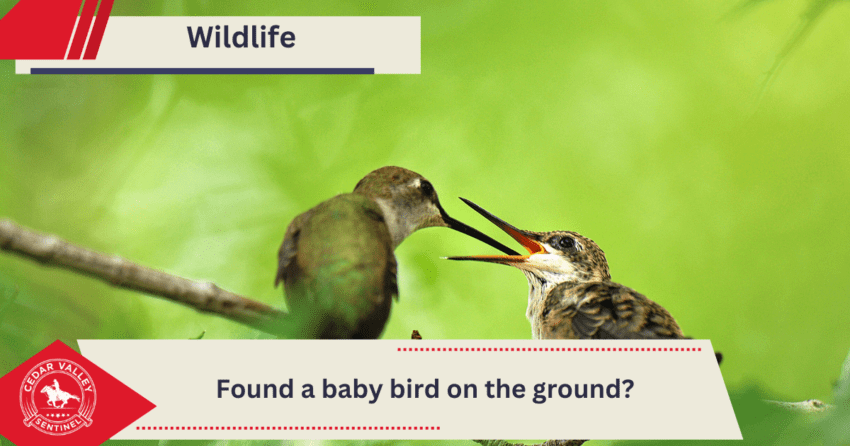
The article offers guidance from the Utah Division of Wildlife Resources on what to do if you encounter a baby bird. It advises to place featherless birds back in their nests or on branches, leave fledglings alone if they have feathers, avoid feeding them, and not to disturb bird nests with eggs or babies. Additionally, it provides instructions on handling baby ducks and addresses concerns about avian flu.
SALT LAKE CITY — It’s a beautiful spring day, so you decide to go for a nice walk around your neighborhood. You are strolling along the sidewalk when suddenly you hear loud chirping near your feet. You look over and see a baby bird lying on the ground near a tree trunk. What should you do? The Utah Division of Wildlife Resources has a few tips.
It is not unusual to find a baby bird on the ground during this time of year. Many birds are hatching and often leave their nests before they are able to fly. Some may also be blown out of nests during spring thunderstorms.
“Baby birds usually chirp and call from the nest, waiting for their parents to bring food to them — and sometimes they get excited or agitated, which results in them falling from their perch,” Utah Division of Wildlife Resources Migratory Game Bird Coordinator Jason Jones said.
The most common baby birds that people find are robins (which nest in trees) and swallows (which build their mud nests in eaves and on the sides of houses).
If you find a baby bird on the ground, there are a few things you should do.
Put it back in the nest if it doesn’t have feathers
If the bird is very small and still featherless, you should place it back in its nest. If you can’t find the nest, put the bird on a branch safely out of reach of dogs and cats.
“The baby will squawk, and its parents will find it,” Jones said.
Unlike with some other wildlife species, you don’t need to be concerned about leaving your scent on the bird. Most birds do not have a good sense of smell so if you pick up a baby bird, its parents won’t even know you’ve handled it.
However, you should never take a baby bird home. Most birds are protected by state and federal laws, and it is against the law in Utah to possess wild animals without special permits.
Leave it alone if it has feathers
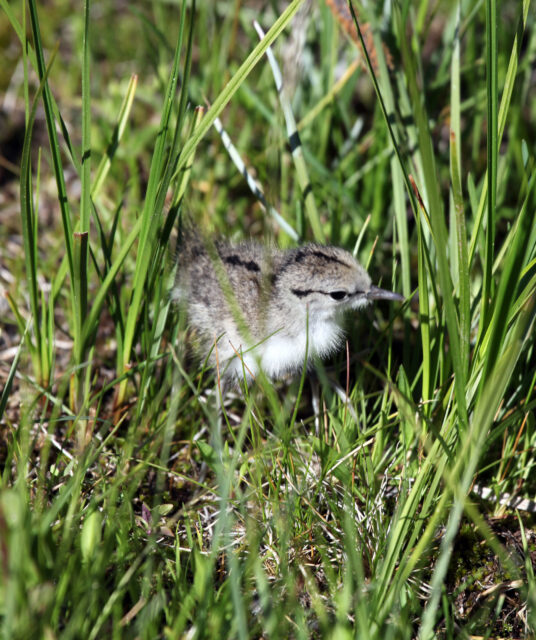
If the baby bird is hopping around, you’ve found a bird that almost isn’t a “baby” anymore. These young birds are called fledglings. They have most of their flight feathers and are very close to taking their first flight.
If the bird isn’t in danger, leave it where you found it. This awkward “hopping” stage typically lasts two to five days. It’s part of the natural process a baby bird goes through before taking its first flight. The parents are watching the baby bird and are still feeding it.
If you think the fledgling is in immediate danger, then move it carefully to a safer spot nearby. However, if you can’t catch the bird, just leave it alone.
Don’t feed the bird
While it’s fine for its parents to feed the baby bird, you shouldn’t attempt to give it food. Birds have a very specific diet and feeding them something that’s not part of their diet can kill them.
“While robins and some bird species can safely eat worms, others can’t,” Jones said. “So don’t try to feed baby birds or other wildlife that you encounter. You may think you are ‘helping’ them, but it usually does more harm than good.”
Just place the bird back on its branch or in its nest, and let its parents feed it.
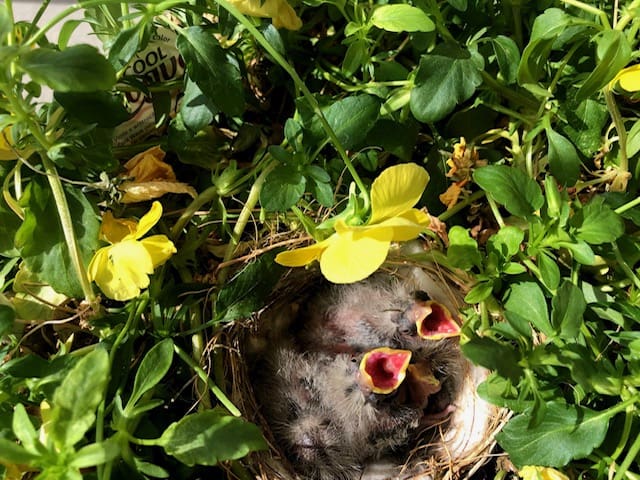
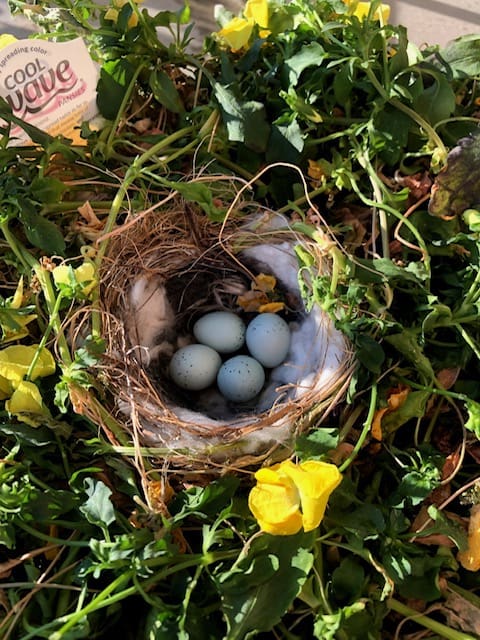
Don’t bother or move bird nests that have eggs or baby birds in them
While bird species that nest in the eaves of buildings may seem like a nuisance, it’s unlawful to disturb nests that have eggs or baby birds, and you can be cited for doing so.
You can take measures to prevent birds from building nests on your home or property, but you have to do it before nesting season begins. Once a bird establishes and inhabits a nest — and there are eggs or baby birds in the nest — you need to wait until after the baby birds have left the nest in order to remove it to prevent future nesting.
What to do with baby ducks
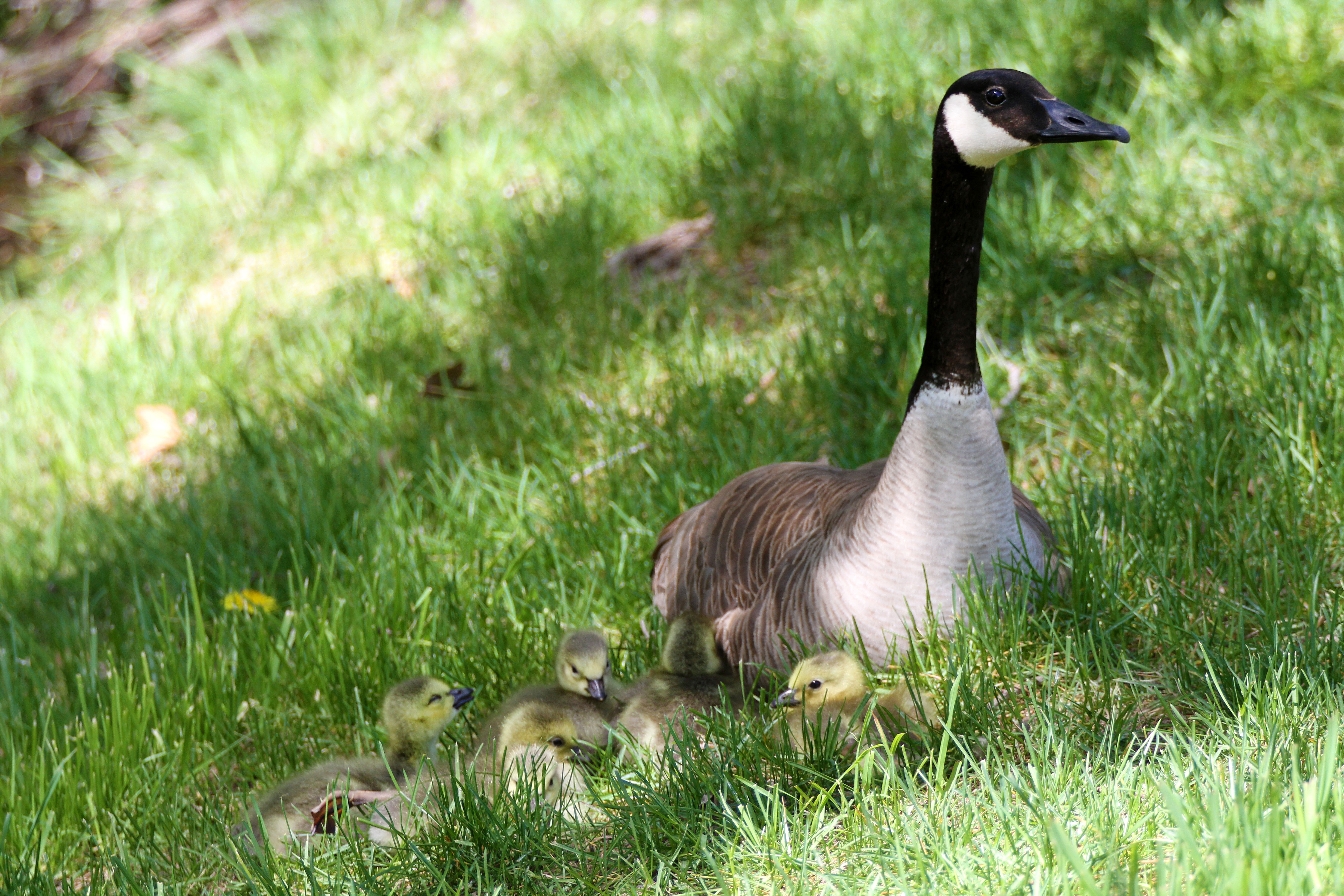
If you find a duckling on the ground that looks like it’s been separated from its parents, don’t move it or try to put it in water. Baby ducks should be left alone, unless they are trapped in a storm drain or somewhere else dangerous, like in a swimming pool.
If you do discover a duckling in a storm drain, you can contact the nearest DWR office to report it or contact your city officials.
Avian flu
Songbirds are not typically affected by high pathogenic avian influenza viruses, so people shouldn’t have to remove their bird feeders unless they also have backyard chickens or domestic ducks, which are susceptible to the virus. However, it’s always recommended to regularly clean bird feeders and baths.
If you see a group of five or more dead birds, report it to the nearest DWR office. Make sure you don’t touch the birds or pick them up.
For more information about how to safely handle a baby bird encounter, visit the Wild Aware Utah website.

The Utah Department of Natural Resources (DNR) plays a vital role in protecting and managing the state’s natural resources — from wildlife conservation and water management to outdoor recreation and wildfire prevention. As a contributor to Cedar Valley Sentinel, the DNR shares timely articles and expert information tailored to residents of Eagle Mountain, Lehi, Saratoga Springs, Cedar Fort, and Fairfield.
Their stories cover topics such as wildfire safety in Cedar Valley, Utah wildlife updates, water usage tips, and how to enjoy outdoor recreation responsibly in Northern Utah County. With a focus on education and sustainability, the DNR empowers our readers to better understand and care for the natural environment around them.