
What happens to a society when progress outpaces principles?
Nearly a century ago, Mahatma Gandhi offered the world a short but timeless list—seven warnings about behaviors he believed would unravel the moral fabric of a people. He called them the Seven Social Sins, and they remain as relevant today as they were in 1925 when he first published them in Young India (October 22, 1925).
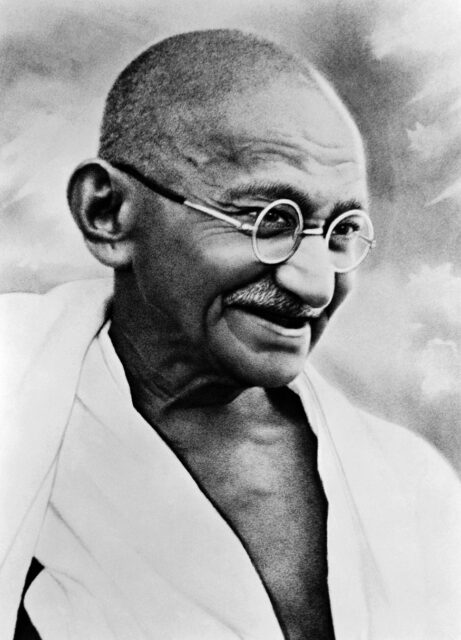
Seven Social Sins – Mahatma Gandhi
- Politics without Principle
- Wealth without Work
- Pleasure without Conscience
- Knowledge without Character
- Commerce without Morality
- Science without Humanity
- Worship without Sacrifice
Over the next several weeks, the Cedar Valley Sentinel will publish a series exploring each of these seven social sins, one at a time. Each installment will examine Gandhi’s original intent, offer comparisons to Stoic philosophy, and explore teachings from The Church of Jesus Christ of Latter-day Saints that relate to each concept.
Series articles:
- Power and Integrity: What Happens When Principle Leaves the Room
- Profit Without Effort: The Moral Cost of Getting Something for Nothing
- Craving Without Boundaries: When Desire Replaces Duty
- Smart but Unethical: The Danger of Learning Without Moral Roots
- Business Without a Soul: Why Profit Can’t Replace Principle
- Progress at What Price? The Ethical Limits of Innovation
- Faith on Display, Heart Disengaged: When Religion Loses Its Depth
What Is Stoicism?
Stoicism is a philosophical tradition that began in ancient Greece and took root in early Roman civilization. It teaches that true happiness comes not from external success, wealth, or pleasure, but from living a virtuous life guided by wisdom, courage, justice, and temperance.
Famous Stoic thinkers, such as Marcus Aurelius, a Roman emperor, and Epictetus, a former slave turned teacher, believed that we should control what we can, accept what we cannot, and always act with integrity.
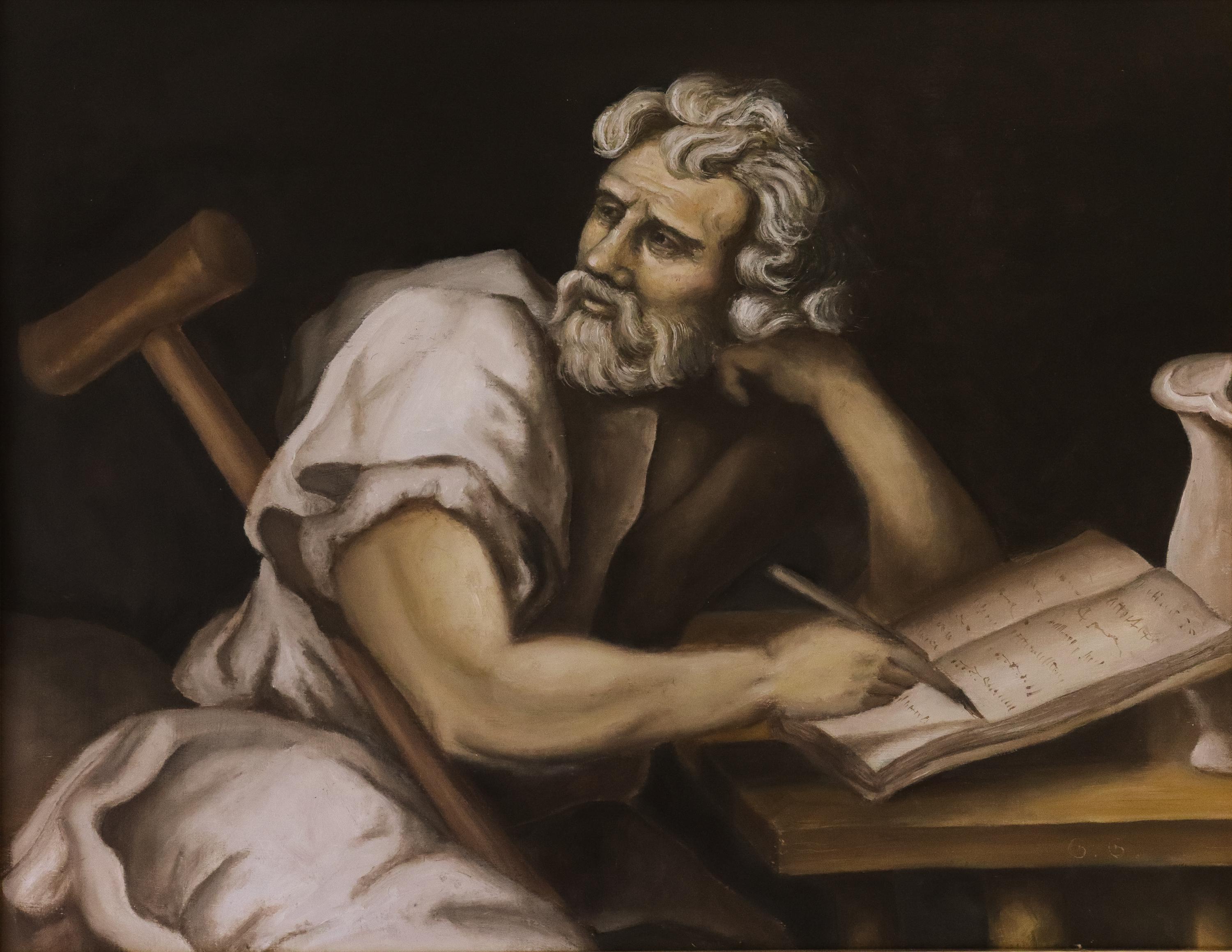
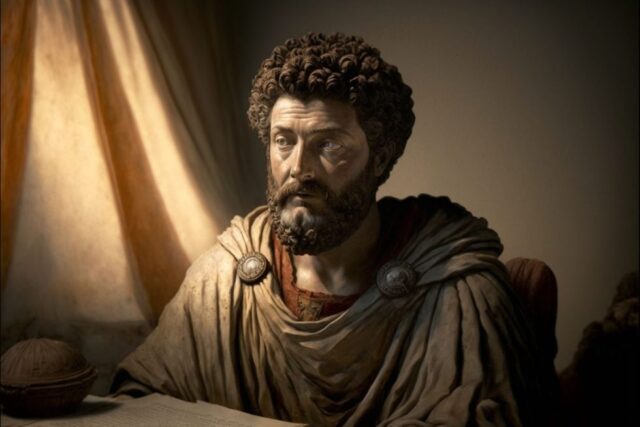
Though centuries apart, Gandhi and the Stoics shared many values, particularly the idea that moral character must guide every decision, whether personal or public.
A Faith-Based Perspective
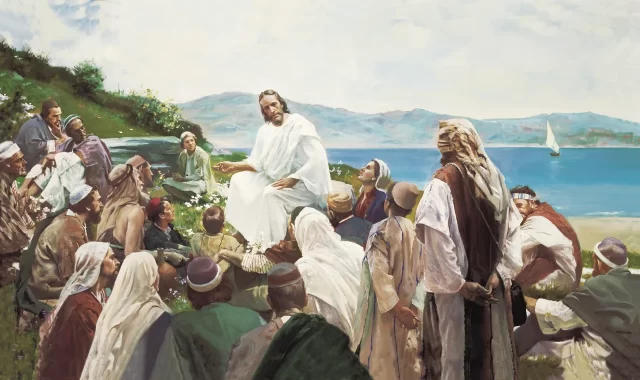
We’ll also look at how the teachings of The Church of Jesus Christ of Latter-day Saints align with or challenge these ideas. From scriptural guidance on honesty and self-reliance to modern prophetic counsel on civic duty and compassion, the LDS tradition adds a unique and deeply rooted spiritual lens to each topic.
Whether you’re drawn to Gandhi’s ethics, curious about Stoicism, or guided by faith, this series invites thoughtful reflection on how we live, lead, and serve in our communities today.
Our first article in the series will explore Politics without Principle—a warning that feels all too familiar in today’s world.
Stay with us as we discuss these timeless teachings and consider how they apply in the modern world and beyond.
Bibliography for Series
- Aurelius, Marcus. Meditations. Translated by Maxwell Staniforth. London: Penguin Classics, 1964.
- Epictetus. Discourses. Translated by George Long. London: George Bell and Sons, 1890.
- –––. Enchiridion. Translated by George Long. London: George Bell and Sons, 1890.
- Gandhi, Mohandas Karamchand. “Seven Social Sins.” Young India, October 22, 1925.
- The Holy Bible: King James Version. 2013. Salt Lake City: The Church of Jesus Christ of Latter-day Saints.
- The Book of Mormon: Another Testament of Jesus Christ. 2013. Salt Lake City: The Church of Jesus Christ of Latter-day Saints.
- Doctrine and Covenants. 2013. Salt Lake City: The Church of Jesus Christ of Latter-day Saints.
- Pearl of Great Price. 2013. Salt Lake City: The Church of Jesus Christ of Latter-day Saints.

Mike Kieffer – Editor-in-Chief, Cedar Valley Sentinel
Mike Kieffer is a dynamic leader and community advocate based in Eagle Mountain, Utah. He serves as the Editor-in-Chief of the Cedar Valley Sentinel, a local publication dedicated to informing, inspiring, and elevating the Cedar Valley community through honest and accurate journalism. With a passion for fostering connections, Kieffer has made it his mission to highlight local businesses, provide reliable news, and support community development.
Beyond his editorial role, Kieffer is the owner of Lake Mountain Media, LLC, a company specializing in media and communications, and the co-owner of Quail Run Farms, which focuses on sustainable farming and community engagement. He also actively contributes to the local economy and culture as a member of the Eagle Mountain Chamber of Commerce.
Kieffer’s dedication extends to preserving and promoting the history and heritage of the Cedar Valley area. He often participates in community-centered events and media, including podcasts that explore the unique aspects of life in the region. Through his varied endeavors, he remains a steadfast advocate for the growth and enrichment of the local community.