
The process of moving into a new space feels simple on paper – pack, transport, unpack – but the senses tell a richer story. Every room greets you with new light, echoes, and scents, leading you to explore the sensory side of moving. Each detail shapes the first nights and the quiet mornings. This sensory rush sets the stage for adjustment to a new home, and it can steer mood and energy long after the boxes are gone.
Light That Redraws the Day
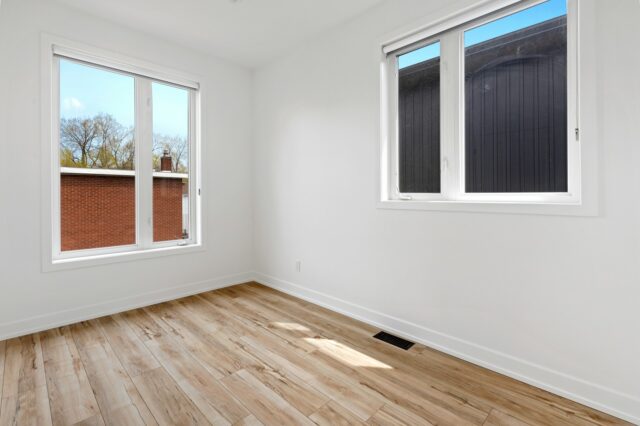
Windows, curtains, and angles alter how daylight spills across a floor. A hallway that catches the first sunrise carries a soft charge at dawn. Evening shadows can stretch in surprising ways, making a living room feel larger or suddenly small. Adjusting to new light takes more than hanging blinds. Spend time in each room at different hours. Notice the hue at noon, the cool blue at dusk, the flicker of streetlamps at night. These details guide where you place furniture, or even how you plan your bedtime.
Sight shapes comfort more than most people expect. Colors in paint or wallpaper mix with light and shift through the day. A pale gray wall might turn warm beige by sunset. Observing these changes early helps you create a space that fits your rhythm rather than fight it.
Sound Finds Every Corner
Every home hums. Refrigerators buzz. Pipes click. Traffic rumbles, even blocks away. These sounds build the hidden soundtrack of a house. At first, each noise stands out. Over time, the brain files them under “normal,” but the first weeks can feel noisy.
Test the acoustics. Clap in the hallway. Hear how sound bounces. Rugs, curtains, or shelves break echoes and soften footsteps. If you work from home, track the outside noise throughout the day. Early awareness avoids surprises during a meeting or a nap.
A Party Before the Quiet
Leaving the old place deserves celebration. Good neighbors carry stories and shared favors – borrowed sugar, quick chats by the mailboxes. Saying goodbye with care matters. Moving to a new place is a journey that deserves a send-off, so throw a going away party, with laughter and a few photographs that catch the easy spirit of the block. It seals friendships and lets everyone move on with a sense of warmth.
The sound of voices and clinking glasses in that familiar living room will stay in memory. That memory will travel with you, softening the silence of the new space on the first night.
Scent as a Silent Host
Smell reaches memory faster than sight or sound. Fresh paint, new wood, or a hint of dust signals that you have entered a place with its own story. Even a clean home has a scent that is not yours.
Air out rooms before unpacking. Open windows, let in the breeze, and give the air a reset. A favorite candle or the aroma of a familiar meal can speed the sense of belonging. Cooking your usual breakfast or brewing a strong coffee fills the kitchen with a signal that this is your domain.
Plants help too. A pot of basil in the kitchen or a jasmine vine near the door fills the air with a living scent that keeps changing as seasons turn.
First Night Experiments
The first night often feels strange. Floors creak in new ways. Streetlights cast shapes on the ceiling. Try a slow walk through the home before bed. Listen for distant trains or nearby nightlife. Mark where the moonlight lands. These details create an early map of comfort.
Sleep may come in pieces until the senses settle. Keep a small lamp nearby and a glass of water ready. Over days, the sounds will blend into the background, and the scent of your own cooking will overtake the sharpness of fresh paint.
Middle Moments of Belonging
A few weeks in, something shifts. You reach for a light switch without thinking. You open a window before a storm without planning. The senses record patterns faster than the mind notices. This quiet learning of the sensory side of moving defines the deeper stage of adjustment to a new home.
Friends visiting for the first time will smell your coffee and hear your music instead of the hollow echo of an empty house. Their presence confirms that the place has turned into a setting for new memories.

Textures That Talk Back
Sight, sound, and smell lead, but touch supports them. Floors hold temperature. Doormats catch the shape of your steps. A wooden banister smooths under the hand with daily use. Textures complete the picture of comfort.
Consider soft rugs in echoing rooms or a heavy curtain against a cold draft. These small touches carry sensory weight far beyond their size. They change how you move through the house, how you pause in hallways, how you lean against a doorframe during a phone call.
The Slow Settle
Adjustment follows no strict clock. Some people feel settled in a week; others need a season. Senses learn at their own pace. One day, you will notice that the refrigerator hum has become part of the silence.
Keep exploring the house even after the furniture finds its place. Notice the way spring air smells different from autumn, especially in your library. Listen to the rain on the roof after months of dry nights. These observations keep the space alive and keep you connected to it.
Final Notes on Sensory Living
Moving is work, but the senses turn it into a layered experience. Sight maps the light, sound writes the soundtrack, and smell seals the memory. When each sense finds its rhythm, the house stops feeling borrowed and starts feeling lived in. The sensory side of moving teaches patience and rewards attention. By watching the light, listening to the hum, and breathing in the quiet changes, you guide a natural and lasting adjustment to a new home, where every scent and shadow becomes a personal signature of belonging. Over time, these details weave into daily life, turning the space into a story only you can tell.

Some stories are best told without a name attached. Whether it’s a firsthand experience, an opinion piece, or a sensitive topic, Cedar Valley Sentinel occasionally publishes content written by anonymous contributors or ghostwriters who wish to remain unnamed. These authors may be local residents, community leaders, or subject matter experts who want to share their perspectives, insights, or concerns with the people of Eagle Mountain, Lehi, Saratoga Springs, Cedar Fort, and Fairfield — without the spotlight.
Every anonymous submission is reviewed and fact-checked by our editorial team to ensure it aligns with our commitment to accurate, community-centered reporting in Northern Utah County.