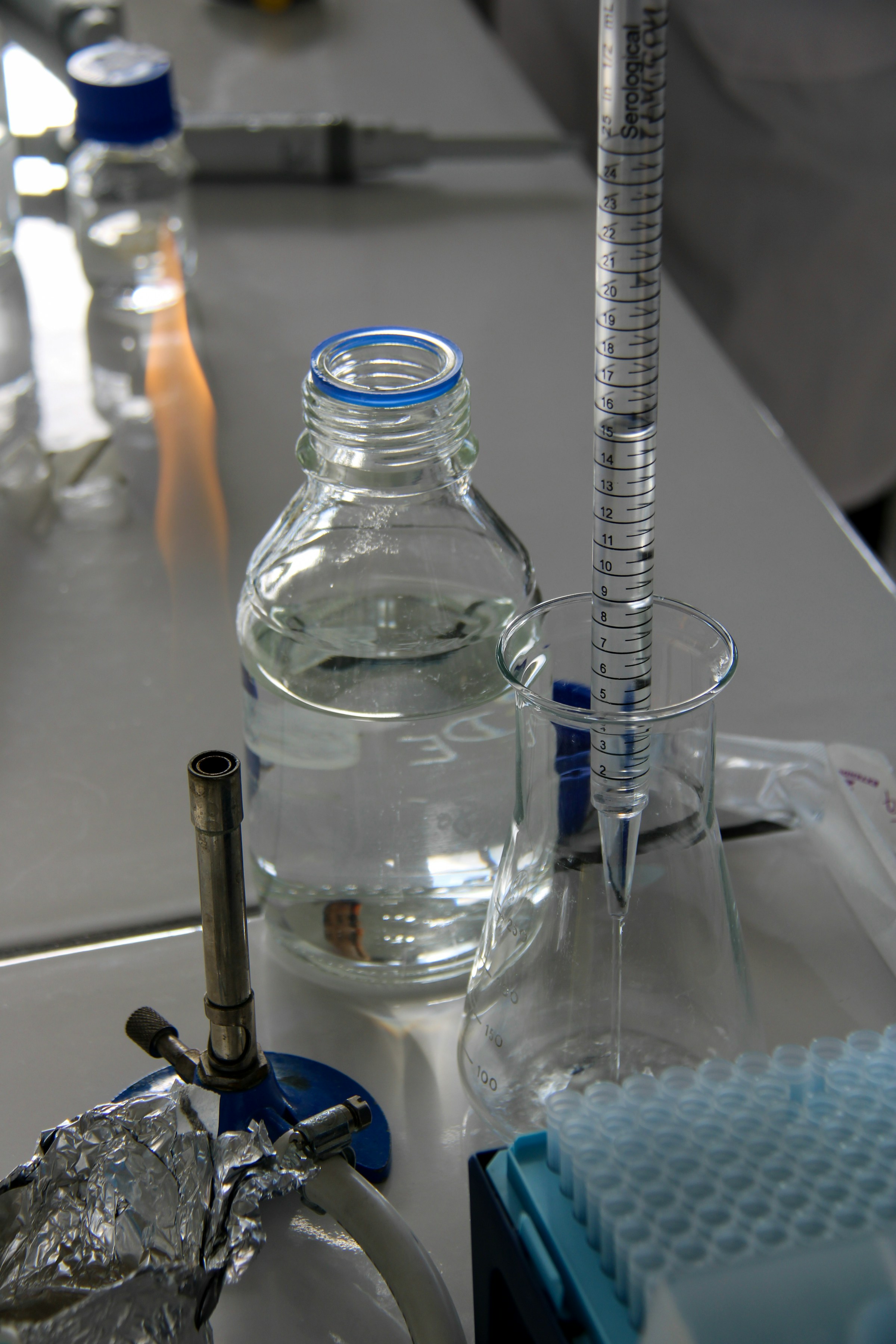
What is bioindustrial manufacturing?
At its core, bioindustrial manufacturing uses living systems—like microbes, algae, or enzymes—to make products we rely on every day. Instead of using oil wells or smokestacks, bioindustrial manufacturing can turn plants and renewable resources into fuels, plastics, fabrics, foods, and medicines. It’s a growing industry nationally, backed by the U.S. Department of Defense and BioMADE (Bioindustrial Manufacturing and Design Ecosystem), which sees it as critical for both economic growth and national security. And in Utah, schools and colleges are taking a lead role in preparing the next generation of workers.
For teachers and students in Eagle Mountain, Saratoga Springs, Cedar Fort, and Fairfield, this is a new opportunity to explore hands-on science, connect with real industry partners, and prepare for careers that didn’t exist a decade ago. Here’s how to get involved.
1. Start Early: Bringing Bioindustrial Science into Your Classroom
Teachers in the Alpine School District (serving Eagle Mountain and Saratoga Springs) can begin by exploring STEM outreach already happening through the Utah STEM Action Center. Project coordinator Torin Agnelli, BioMADE outreach specialist, is “working to show Utah students future pathways in the biotech and bioindustrial manufacturing industries” (Utah STEM Action Center).
- Teachers: Contact the Utah STEM Foundation to request classroom demonstrations, lesson plans, and information on BioMADE’s “early outreach” activities.
- Students: Ask your CTE (Career & Technical Education) teacher or counselor if your school has pilot courses or extracurricular programs connected to biotech. Schools like Cedar Valley High and Westlake High are already expanding their STEM offerings.
2. Hands-On Projects: Build a Bioreactor in Class
One of the most exciting resources available is the low-cost classroom bioreactor developed by students and faculty at the University of Utah. BioMADE provides free curriculum and design instructions so schools can build these devices using simple, affordable parts (BioMADE Learning & Workforce).
- Teachers can access these DIY bioreactor kits through BioMADE’s curriculum library.
- Students can use them to grow microbes, observe fermentation, and learn how living cells make products like enzymes and biofuels—just like scientists in industry do.
3. Stackable Credentials: Map Out a Path from High School to College
One of the key features of Utah’s biotech workforce program is the availability of stackable credentials. This means students can earn certifications at different stages that build on each other.
- In high school, you might complete an introductory biotech course and earn a basic lab certificate.
- At Salt Lake Community College (SLCC): Continue with a one-year biotechnology certificate or a two-year associate’s degree, learning through hands-on labs and even real-world biomanufacturing at SLCC’s STUDENTfacturED program.
- At Utah Valley University (UVU): Transfer those credits seamlessly into UVU’s Bachelor of Science in Biotechnology program, offered in Orem and West Jordan.
This path makes it possible for students in Cedar Valley to move from a high school lab class to a biotech career in just a few years.
4. Connect with Industry Partners
Part of what makes this initiative unique is that companies are directly involved in shaping education.
- Checkerspot, a biotech company with labs in Salt Lake City, engineers microalgae to make new oils and materials.
- CleanJoule develops sustainable biofuels.
- Technology Holding works on innovations like bio-based materials.
These businesses partner with schools and colleges to align curricula with real job skills. Teachers can invite guest speakers, arrange field trips, or connect with mentors from these companies through the Utah STEM Foundation.
5. Look Ahead: Career Opportunities for Local Students
For students in Eagle Mountain, Saratoga Springs, Cedar Fort, and Fairfield, bioindustrial manufacturing offers a clear payoff. Careers range from lab technicians and quality assurance specialists (requiring a one- or two-year program) to engineers and research scientists with bachelor’s or advanced degrees.
The average wage for science technicians in Utah is about $55,000 (U.S. Bureau of Labor Statistics), and demand is expected to grow. As Curtis Blair, president of the Utah Valley Chamber of Commerce, explained: “Education and workforce development is one of our key pillars of growth. You cannot have businesses thriving if you do not have a qualified workforce” (UVU Magazine).
For students, that means local biotech programs don’t just build skills—they open doors to well-paying jobs in Utah’s rapidly growing life sciences sector.
Quick Resources: How to Get Involved
For Teachers
- Request classroom support, curriculum, and guest speakers: Utah STEM Foundation
- Download classroom-ready biotech curriculum and bioreactor instructions: BioMADE Learning & Workforce
For Students
- Explore biotech electives at Cedar Valley High or Westlake High; talk to your CTE counselor.
- Learn about biotech career pathways and stackable credentials: SLCC Biotechnology Program
- Continue to a bachelor’s degree: UVU Biotechnology Program
For Parents
- Explore the Utah STEM Foundation’s outreach opportunities for families: Utah STEM Foundation
- Connect with local industry partners offering career exposure: Checkerspot, CleanJoule, Technology Holding
Sources
- BioMADE – Utah Bioindustrial Manufacturing Project Overview
- BioMADE Press Release, Sept. 14, 2023
- Utah STEM Action Center – Staff Bios
- Utah STEM Foundation
- SLCC Biotechnology Program
- STUDENTfacturED Program (SLCC)
- UVU Biotechnology Program
- UVU Magazine (Curtis Blair quote)
- Daily Herald – Cedar Valley High Aviation Pathway
Photo by Nathan Rimoux on Unsplash

Mike Kieffer – Editor-in-Chief, Cedar Valley Sentinel
Mike Kieffer is a dynamic leader and community advocate based in Eagle Mountain, Utah. He serves as the Editor-in-Chief of the Cedar Valley Sentinel, a local publication dedicated to informing, inspiring, and elevating the Cedar Valley community through honest and accurate journalism. With a passion for fostering connections, Kieffer has made it his mission to highlight local businesses, provide reliable news, and support community development.
Beyond his editorial role, Kieffer is the owner of Lake Mountain Media, LLC, a company specializing in media and communications, and the co-owner of Quail Run Farms, which focuses on sustainable farming and community engagement. He also actively contributes to the local economy and culture as a member of the Eagle Mountain Chamber of Commerce.
Kieffer’s dedication extends to preserving and promoting the history and heritage of the Cedar Valley area. He often participates in community-centered events and media, including podcasts that explore the unique aspects of life in the region. Through his varied endeavors, he remains a steadfast advocate for the growth and enrichment of the local community.