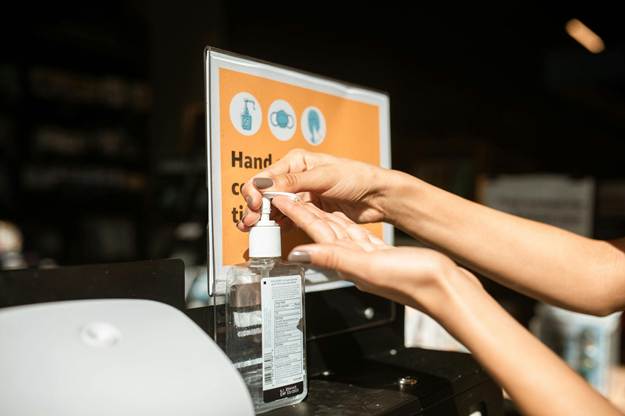
You care about health — your own, your neighbors’, maybe even your city’s. But caring alone doesn’t change much. The good news? You don’t need a PhD or a grant to make waves. Health advocacy isn’t reserved for professionals; it’s a citizen’s opportunity to shape systems, spark connection, and bring real improvement where it’s needed most. Whether you want to shift local food access or just help one person make sense of their wellness options, your drive can be translated into meaningful action. Here’s how to move from caring in silence to acting with clarity.
Lead by Example
Start with yourself. The way you show up — how you talk about rest, how you nourish yourself, the tone you take about mental health — these are signals. They shape how others around you think they’re allowed to care for themselves. When you take intentional steps toward your own wellness, you send a message: this matters, and it’s possible. That’s not self-centered — that’s leadership. You’ll find that when you lead by example to inspire others, you make behavior change feel less intimidating for people watching from the sidelines. It becomes not a lecture, but a demonstration. Keep it visible, but not performative. People notice real consistency.
Streamline Your Path to Action
Sometimes your advocacy has a business dimension — and that’s okay. Maybe you want to teach workshops, offer coaching, or launch a health-related product. Doing it the right way — legally, structurally — doesn’t have to be overwhelming. If you want to streamline your small-business launch, companies like ZenBusiness can help you get set up fast, without the jargon. Turning your advocacy into an offering doesn’t cheapen it. It amplifies it. When your message has form and infrastructure, it becomes easier for others to engage, support, and benefit from it.
Share Stories, Build Connection
People don’t change because of statistics. They change when they hear someone say, “That was me, too.” If you’ve overcome a chronic condition, struggled with burnout, or navigated a confusing diagnosis, don’t bury that. Stories aren’t just for support groups — they’re bridges. They help others name what they’ve been feeling and feel less alone. When you share struggles to spark support, you give people permission to be honest and hopeful. Whether in small groups, on social media, or one-on-one conversations, storytelling activates empathy — and empathy fuels change.
Use Citizen Science to Inform Change
You don’t have to be a researcher to gather data that matters. Citizen science projects allow everyday people to contribute to public health initiatives in real time. Whether it’s reporting flu symptoms, tracking air quality, or logging exercise habits, this type of engagement builds the evidence policymakers and scientists use to shape future resources. For example, you can track symptoms through citizen projects and contribute to larger datasets that reveal community health trends. It’s grassroots, digital-era advocacy — and it’s surprisingly easy to start.
Support Local Food and Healing Access
Not everyone has the same path to wellness. Geography, income, and social structures often get in the way. But one of the most effective places to make a difference is in food access and green space. Community gardens, local produce hubs, and free public yoga events are all examples of how place can become a healing resource. When you promote health through community gardens, you’re not just growing vegetables — you’re creating micro-environments for connection, nutrition, and stress relief. You don’t need to start your own — just show up, share skills, or help organize.
Pursue Policy Change Locally
Health systems are political systems. If you want sustainable impact, you have to look at the structures shaping people’s options. That means showing up for local planning meetings, learning how health ordinances work, and pushing for shifts in funding or awareness. You can pursue policy change locally by identifying where the rules are broken or missing — and by helping others understand how they can influence them. Whether it’s pushing for mental health curriculum in schools or safer park infrastructure, the local level is where momentum builds. Start small, stay specific, and build coalitions that outlast any single initiative.
Activate Mutual Aid
Not all help needs to be institutional. Sometimes the strongest medicine is neighbors helping neighbors. Mutual aid — the act of people voluntarily supporting each other with resources, skills, or time — has been one of the most resilient forms of health care in communities for generations. Whether it’s distributing diapers, organizing a ride share for medical visits, or raising emergency funds, these small acts build resilience through mutual aid and show people they’re not alone. Advocacy doesn’t always need a microphone. Sometimes, it just needs groceries and a knock on the door.
Your desire to help others with their health isn’t a hobby — it’s a signal. You’ve seen what’s broken. You’ve felt what’s missing. And now, you know where to begin. From sharing your story to lobbying city hall, from planting kale to setting up an LLC, your tools are real and your impact is needed.
Stay informed and connected with the latest news and insights from Cedar Valley by visiting Cedar Valley Sentinel — your go-to source for community-driven journalism.

Some stories are best told without a name attached. Whether it’s a firsthand experience, an opinion piece, or a sensitive topic, Cedar Valley Sentinel occasionally publishes content written by anonymous contributors or ghostwriters who wish to remain unnamed. These authors may be local residents, community leaders, or subject matter experts who want to share their perspectives, insights, or concerns with the people of Eagle Mountain, Lehi, Saratoga Springs, Cedar Fort, and Fairfield — without the spotlight.
Every anonymous submission is reviewed and fact-checked by our editorial team to ensure it aligns with our commitment to accurate, community-centered reporting in Northern Utah County.