The federal government has reinstated the Radiation Exposure Compensation Act, or RECA, after expiring over a year ago, and Intermountain Health’s Downwinders Clinic wants the community to know it is available to help families impacted by nuclear testing.
The RECA statute provides family compensation for health issues encountered from radioactive fallout during the federal government’s nuclear testing at the Nevada Test Site decades ago.
The Downwinders Clinic, located in Intermountain St. George Regional Hospital’s Cancer Center, provides vital education, healthcare assistance, and help applying for RECA. The RECA federal statute provides compensation for qualifying people and their families who contracted certain cancers and/or other diseases as a direct result of their exposure to the atmospheric nuclear testing.
The RECA federal statute provides compensation for qualifying people and their families who contracted certain cancers and/or other diseases as a direct result of their exposure to the atmospheric nuclear testing.
The previous RECA compensation ended without an extension last year. The newly expanded version of the RECA compensation program’s guidelines includes the following:
- All of Utah is now included as an affected area. Previously, it was just select portions of the state and nothing north of Fillmore and Richfield.
- Idaho and New Mexico are also now covered by the program.
- Compensation for new applicants increased from $50,000 to $100,000. At this time, people who were compensated previously are not eligible for the new amount.
- The length of required exposure time decreased from 24 months to 12 months; from January 1951 to November 1962.
Rebecca Barlow, project director for the Radiation Exposure Screening (RESEP) Clinic at Intermountain St. George Regional Hospital, has been working with families impacted by radiation fallout and setting up crucial screenings.
“We have been working with families during the 13 months the program was expired to help gather the documents they would need when RECA was reinstated. Now, we want people to know that the qualifying boundaries have expanded, as well as new applicants qualify for a larger compensation amount for the health issues they have encountered,” said Barlow.
The cancers that qualify someone under RECA have not changed and include leukemia (but not chronic lymphocytic leukemia), multiple myeloma, lymphomas (other than Hodgkin’s), and primary cancers of the pharynx, small intestine, salivary gland, brain, stomach, urinary bladder, colon, thyroid, pancreas, breast, esophagus, bile ducts, liver, gall bladder, lung, and ovarian.
There is no charge for the help that the Downwinders clinic provides. However, since the expansion, many claimants have reported to Barlow that they have been approached by attorneys to help them apply.
“With rare exception, it is not necessary to pay a company or an attorney to help with the application process. The Intermountain Downwinders Clinic can send you an application and assist you in the application process for free,” said Barlow. “The compensation should stay with those families that have been affected.”
People can contact the Intermountain Downwinder’s Clinic by calling 435-251-4760 and leave a message. Your call will be returned at the earliest opportunity.
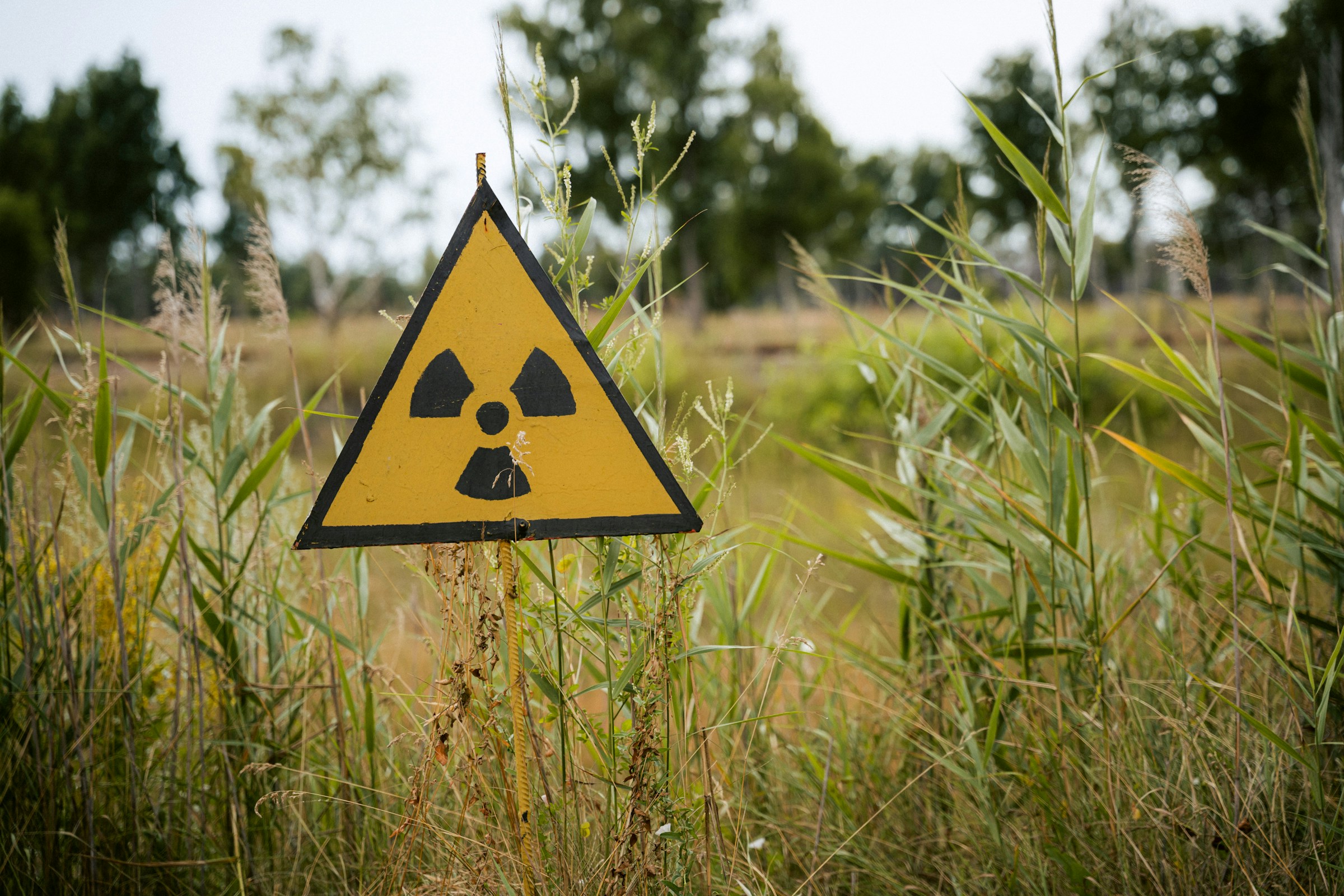
Photo by Kilian Karger on Unsplash

Intermountain Health is a trusted leader in healthcare across Utah and the Mountain West, committed to improving the health and well-being of the communities it serves. As a contributor to Cedar Valley Sentinel, Intermountain Health provides expert insights on topics ranging from wellness and prevention to emergency care, mental health, and family medicine — all with a local perspective for residents of Eagle Mountain, Lehi, Saratoga Springs, Cedar Fort, and Fairfield.
Their contributions help readers make informed decisions about their health, stay up to date on local health resources, and access expert tips from Utah’s leading medical professionals.