Well now, gather ’round, you young’uns, and let ol’ Clemmie tell you a thing or two about them iron horses that used to chug and clang right through our own Cedar Valley. It’s a story that’s tied up with progress and gettin’ folks and goods where they needed to be, just like a good sturdy wagon wheel on a well-worn trail.
You know, before the horseless carriages became all the rage, the railroad was the real mover and shaker out here. It meant folks could travel further and faster than ever before, and it opened up this whole valley to new possibilities.
Now, the sources tell us that there was indeed a railroad line that ran right through Cedar Valley. Seems like a branch line of the Los Angeles & Salt Lake Railroad Company made its way through here, and that later became part of the Union Pacific Railroad Company.
Why, there were even stations right here in Cedar Valley, imagine that! Fairfield had one, and it went all the way out to Eureka and Mammoth. Now, those places were mighty important for mining, so it makes sense that the railroad would want to connect them. Haulin’ ore and supplies was a tough business with just wagons and teams.
And don’t forget Cedar Fort! The sources mention a Cedar Fort station, too . A fella named John Ault even worked as a section boss there . That means there was definitely some railroad activity goin’ on right in Cedar Fort.
Now, Lehi, which the Cedar Valley Sentinel tells us is in the northern part of Utah County and considered part of Cedar Valley, had a good bit of railroad history itself. The Utah Southern Railroad made its way to Lehi, and later it got all mixed in with the Oregon Short Line. And then there was the Denver and Rio Grande Western Railway that started buyin’ up smaller lines around Lehi. One fella, Thomas R. Cutler, even recognized how important the railroad would be for business in Lehi and started a store near the proposed depot back in 1871.
Seems like the railroad wasn’t just for passin’ through. It was connectin’ communities and industries, helpin’ folks get their goods to market and bringin’ in supplies. It must have been quite a sight and sound when those trains came chuggin’ into the valley, a real sign of the changing times.
Even though things are different now, and the iron horse might not be as common a sight in Cedar Valley as it once was, its tracks are still part of our history. It helped lay the groundwork for the towns and the way of life we have today. So next time you hear a train whistle in the distance, remember that it’s echo might just be a whisper from Cedar Valley’s past.
Bibliography:
- Cedar Valley Sentinel.
- Peterson, Margery J. OUR ROOTS GROW DEEP – A History of Cedar Valley, 2nd ed.
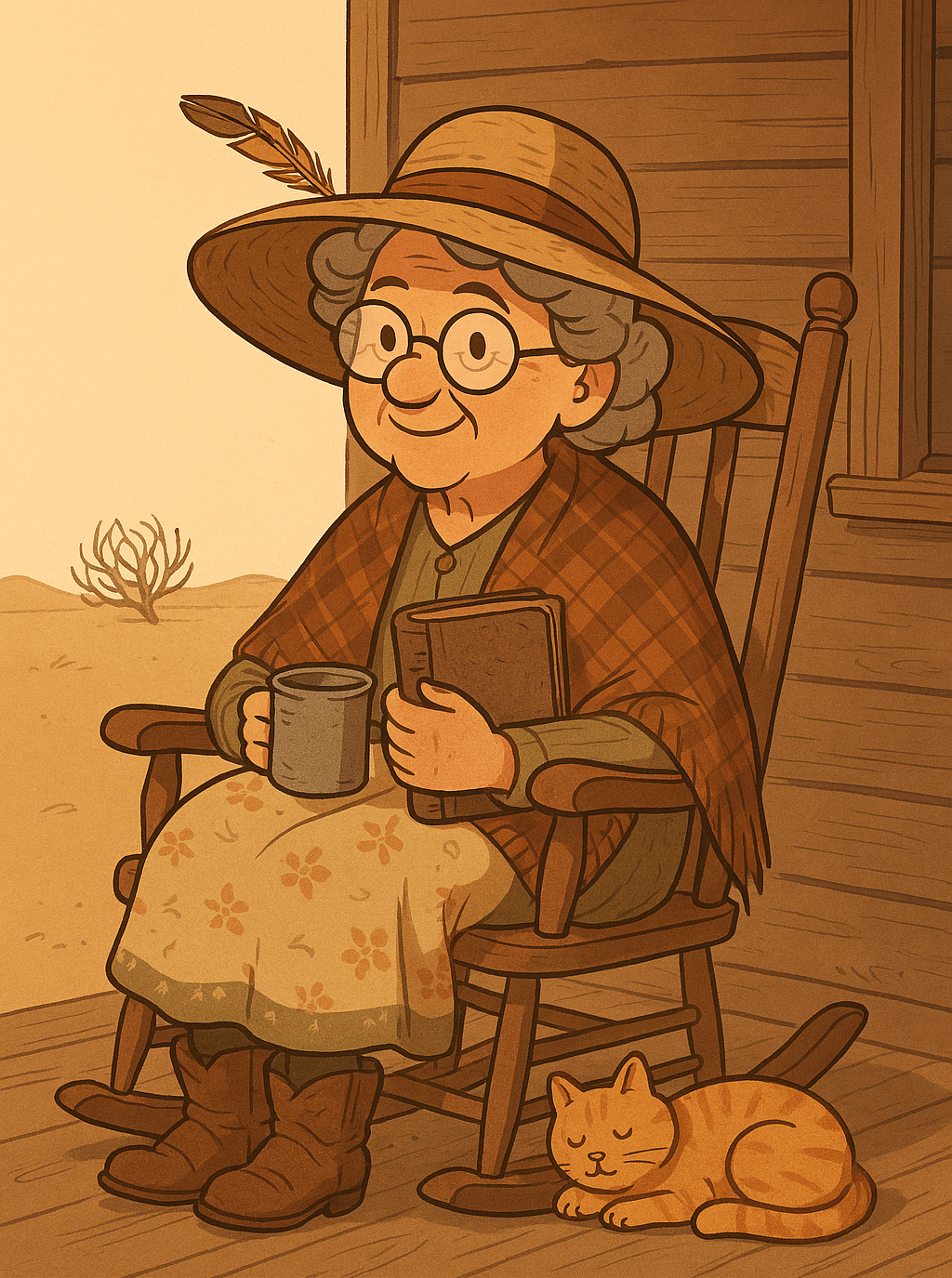
Unofficial Historian, Front Porch Philosopher & Occasional Pie Judge
Clementine Wrenfield (but you can call her Clemmie) is a self-appointed keeper of curious stories, dusty diaries, and questionable facts. Born under a clothesline and raised on her grandmother’s tall tales, Clemmie believes every fence post has a story—and she’s on a mission to find it. When she’s not digging through old trunks or sipping sassafras tea, she enjoys hosting dramatic reenactments of historical events using only sock puppets and her neighbor’s goats.
She’s never met a mystery she didn’t want to solve or a pie she didn’t want to critique.