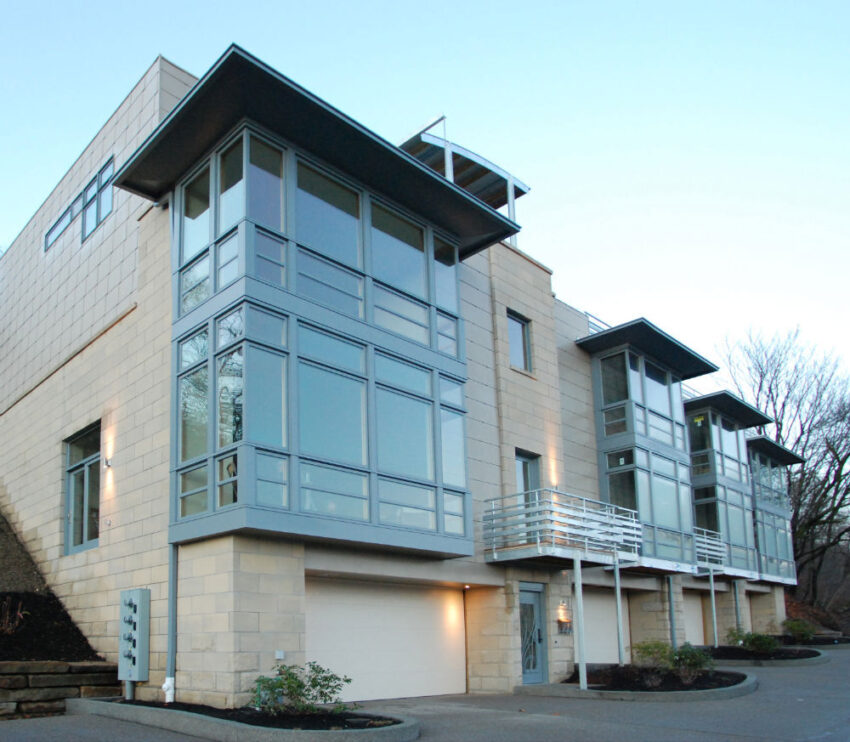
The communities of Eagle Mountain, Saratoga Springs, and Lehi are booming with new housing developments. But as homes sprout up rapidly across Cedar Valley, questions arise about long-term safety, resilience, and affordability. Most new houses in Utah County are built with traditional wood framing – a method that’s quick and familiar. Yet experts and recent campaigns are urging a closer look at what lies behind the walls. Could building homes with concrete blocks instead of wood lead to safer, more durable, and even more cost-effective housing for our growing neighborhoods? This investigative look examines why concrete block construction may be a viable solution for local homeowners and city planners concerned about both rising housing costs and public safety.
The Hidden Costs of Wood-Framed Construction
On the surface, today’s new homes may look solid – often dressed in stylish exteriors of brick, stone, or hardy siding. But as one industry campaign bluntly points out, merely putting a cosmetic facade on a wood-frame house is like putting “lipstick on a pig”. The underlying structure remains wood, with all its vulnerabilities. Over 90% of new U.S. homes use timber framing out of tradition and convenience, yet this choice can carry hidden long-term costs. Wood is lightweight and initially cheaper, but it’s also prone to a host of problems that can hit homeowners’ wallets and peace of mind over time: fires can engulf it, storms can shred it, insects and mold can eat away at it, and time itself can weaken it.
Housing Affordability Impacts: In fast-growing areas like Eagle Mountain and Saratoga Springs, rising home prices and insurance rates are already concerns. Wood-framed houses may cost less upfront to build, but they can be more expensive to insure and maintain in the long run. Studies have found that homes built with non-combustible materials like concrete often qualify for significantly lower insurance premiums due to reduced fire and storm risk. Wood structures, by contrast, add fire risk – which insurers price into homeowners’ policies. Additionally, the maintenance costs of wood (from frequent painting and sealing to repairs of rot or pest damage) accrue over the years, affecting the true cost of homeownership. In short, what seems like a cheaper build can become a more expensive home over its lifetime.
Concrete Block Construction: Built to Last and Protect
Concrete block construction – using reinforced concrete masonry units for a home’s walls – offers a fundamentally different approach. It’s a method long embraced in places like Europe and Latin America, and even mandated in parts of Florida for its hurricane resistance. The appeal lies in the material’s inherent strength and durability. Unlike wood, concrete doesn’t burn, rot, or get eaten by termites. It creates a fortress-like shell for a house that can stand up to many threats common to Utah’s environment and beyond.
Fire Resistance: Wildfire danger is a reality that Utahns know well. In 2020, the Knolls Fire forced the evacuation of over 13,000 residents in Saratoga Springs and destroyed at least one home in its swift spread. It’s a stark reminder that fast-moving fires can threaten suburban neighborhoods here just as they do in California. Wood-frame homes are particularly vulnerable – no matter how much fire-retardant treatment you spray on wood, it remains fundamentally flammable. Concrete block, on the other hand, is naturally non-combustible. It won’t ignite or add fuel to a blaze, and can withstand extreme temperatures far better than timber. “Concrete doesn’t burn,” notes Evangelia Ieronymaki, a construction engineering expert at Columbia University. Homes built with block walls create a critical buffer in wildfires, often remaining intact where wood structures would be reduced to ash. For homeowners, that not only means greater safety for their families and possessions, but also potentially lower fire insurance costs. Insurance studies across multiple cities have found switching to concrete construction can save owners anywhere from 20% to over 70% on certain insurance premiums, thanks to the dramatically reduced fire risk.
High-Wind and Storm Safety: Utah may not have hurricanes, but our region is no stranger to fierce winds. From canyon gusts to the occasional tornado-grade microburst, high winds have ripped roofs off wood houses and damaged property along the Wasatch Front. Concrete block homes are engineered to withstand some of the most extreme wind forces – up to 250 mile-per-hour winds, according to the Pennsylvania Aggregates and Concrete Association. Blocks are heavy and often interlocked with steel reinforcement and grout, creating weight and rigidity that help them stay standing when punishing winds blow. In Florida’s hurricane zones, an 8-inch thick concrete block wall between you and the storm is practically standard, providing peace of mind in a Category 5 gale. In Eagle Mountain’s open plains, where gusty thunderstorms or winter windstorms can roll through, that level of resilience could mean far less damage. A stronger wall also means a stronger foundation – concrete homes typically have deeper, sturdier footings anchoring them, which can be beneficial even in rare events like earthquakes. The bottom line is that block construction creates a house that acts like a bunker in severe weather. City planners focused on disaster resilience can appreciate how a neighborhood of masonry homes might suffer less widespread damage in a wind event, reducing emergency costs and recovery times for the community.
Pest and Mold Resistance: The dry climate of northern Utah doesn’t eliminate pests and mold – it just means when moisture and bugs do appear, they find a feast in our predominantly wooden structures. Termites aren’t as famous in Utah as in, say, Florida, but they do exist here and can quietly chew through wood framing if given the chance. Every year, Americans spend billions on termite prevention and repairs. Concrete block offers a simple solution: termites literally can’t eat it. The material contains no cellulose or organic fibers, so pests have no food source and no way to burrow through. Block walls create an inhospitable barrier to termites, carpenter ants, and even rodents, sealing off entry points that exist in typical wood framing. Likewise, mold and mildew have a harder time taking hold. Mold feeds on organic material (wood, paper, drywall backing) and requires dampness. In a wood home, a small leak around a window or in a basement can fester, spreading mold within wall cavities. Concrete block walls, by contrast, don’t provide food for mold spores. They also tend to minimize water intrusion – solid masonry doesn’t have the many seams and joints that a wood frame with sheathing does, making it more airtight and watertight. By keeping water out, block construction helps keep mold out, protecting indoor air quality and saving homeowners from costly remediation. This durability against decay means a block home can easily last two to three times longer than a comparable wood home with far less structural maintenance over the decades.
“Life’s Better With Block”: Real Protection vs. Cosmetic Fixes. A campaign backed by the concrete masonry industry puts it plainly: real protection for your home starts with what’s behind the walls. Marketing slogans aside, this speaks to a core truth – building with tougher materials gives you inherent safety that no after-the-fact add-on can match. You can’t truly “retrofit” fire resistance or termite resistance into a finished wood-frame house without fundamentally changing its structure. Some builders try to sell upgrades like fire-resistant exterior siding or extra-thick insulation, but if the skeleton of the house is still wood, you’ve only solved part of the problem (or none at all). “Looks can be deceiving,” the Block Strong campaign warns; brick or hardy plank on the outside doesn’t make a wood house much safer. It’s akin to putting armor on a straw man. In contrast, a concrete block home’s strength isn’t skin-deep – it’s built into every wall. Homeowners in Saratoga Springs and Lehi paying for high-end exterior finishes might ask themselves: would they be better off investing in a stronger structure instead of just a prettier facade? Advocates of block construction say yes, and some insurance companies would likely agree when they offer a discount for a fully masonry structure.
Energy Efficiency: Cutting Bills with Thermal Mass
Beyond safety, concrete block construction brings another benefit that hits homeowners’ wallets in a positive way – energy efficiency. Anyone who has endured both the blazing summers and frigid winters of Eagle Mountain knows that Utah’s climate swings are intense. Cooling and heating a home here can be expensive. Concrete blocks, however, have a high thermal mass, meaning they absorb and store heat energy slowly. In practical terms, a well-built block home stays cooler during the day and warmer at night. During a summer heat wave, the thick walls absorb heat and keep it from penetrating indoors, so your interior stays naturally cooler longer. Conversely, on a cold winter night, the walls that soaked up sunshine or indoor heat during the day will release that warmth slowly, helping maintain a steadier indoor temperature. This effect can significantly reduce reliance on air conditioning and heating. According to builders in Florida, a concrete block home can lower heating and cooling bills by up to 50% thanks to reduced air leakage and better thermal performance.
Part of this efficiency comes from the solidity of block walls. Unlike a wood stud wall, which is a sandwich of studs, insulation, and sheathing (with many gaps and joints where air can sneak through), a concrete wall can be more monolithic. Fewer gaps mean fewer drafts. “Concrete’s molecular structure allows for an airtight and uninterrupted composition,” one industry publication notes, whereas wood-frame walls are riddled with seams that can leak air. With proper insulation techniques (like adding foam panels or insulated concrete forms), concrete block homes can be built to meet high energy performance standards even in Utah’s cold season. The result is not just a more comfortable home with fewer cold spots, but also real dollar savings month to month. For city planners, widespread adoption of energy-efficient construction like this could reduce overall community power usage and strain on the grid during peak summer days. And for homeowners, lower utility bills add to the affordability of the home over its lifetime, offsetting any higher initial construction costs.
Overcoming the Tradition: Challenges and Opportunities
If concrete block construction offers so many perks – fire safety, storm resistance, pest-proofing, lower bills – why isn’t every new home in Eagle Mountain already built with block? The answer lies in a combination of tradition, training, and up-front cost. Wood framing has been the dominant building method for over a century in America. Our local builders, subcontractors, and even permitting processes are all set up to do things the wood way. Carpenters are readily available; masonry crews, not as much. Constructing a house from concrete block or other masonry requires different skills and can take longer. Time is money for developers, so many stick with wood to keep schedules fast. There’s also the issue of flexibility. “Concrete homes are harder to modify than timber-framed ones,” Ieronymaki explains. For a culture that loves DIY remodels – knocking out a wall for an open kitchen or adding a window – the permanence of concrete can be seen as a drawback. It’s simply easier to alter or add onto a wood-frame home later, which appeals to homeowners who like that freedom.
Upfront cost is another perceived hurdle. Building with block can indeed be a bit more expensive in materials and labor at the outset. Estimates vary, but one study found that in some cases using masonry raised initial construction costs by around 20% compared to conventional wood framing. However, that same study and others also point out that much of this difference can be recouped through the savings we’ve discussed – lower insurance, lower energy bills, and less future maintenance. In multi-unit construction (like apartments or townhomes), concrete often outright wins on cost due to efficiency of scale. For single-family homes, the price gap has also narrowed in recent years, especially when lumber prices spiked dramatically in 2021. In places like Lehi, where high-end homes are already using costly finishes, choosing block for the structure might add only a small percentage to the overall budget. Some builders also use hybrid approaches – for example, concrete block for the ground floor walls (which bear the most load and provide a safe room in storms) and wood for the second floor to save cost. This kind of compromise is actually common in Florida. But the Block Strong campaign argues that if you’re going to build with block, commit to doing the whole home, top to bottom, for maximum strength (their slogan: “Tell your builder it’s concrete block, or nothing”).
For Eagle Mountain and the surrounding communities, overcoming the inertia of wood construction will likely require education and perhaps incentives. The current building code certainly allows masonry or concrete homes – there’s no legal barrier. It’s more about awareness and demand. If homebuyers start asking local builders for concrete block options due to the safety and long-term savings benefits, builders may begin to offer it. City planners could consider incentives for resilient construction, such as fast-tracking permits for masonry homes or offering small property tax breaks for homes built to higher disaster-resistant standards. Given the rapid growth in Saratoga Springs and Eagle Mountain, officials are understandably concerned with infrastructure keeping up – but the quality of the housing stock is also a part of sustainable growth. A neighborhood full of robust concrete homes becomes a form of infrastructure itself, one that can better withstand whatever nature (or climate change) throws at it in the coming decades.
Building a Safer, Smarter Cedar Valley
In an area renowned for innovation and forward-thinking (Lehi, after all, is part of Silicon Slopes), applying some innovation to how we build our houses could pay big dividends. Concrete block construction might sound old-fashioned – indeed, it’s a time-tested method used since your grandparents’ day – but in the context of today’s challenges, it’s a solution worth reconsidering. By choosing block over wood, homeowners in Cedar Valley could gain houses that stand stronger against fire and wind, require less maintenance and repair, and save money on utilities and insurance. City planners, on the other hand, would see communities that are more resilient and less costly to support in emergencies. It’s a classic case of spending a bit more now to save a lot later. As one construction blogger quipped, concrete homes are “built to last, making it a worthwhile investment for modern homeowners” – and that longevity ultimately benefits the whole community.
Eagle Mountain, Saratoga Springs, and Lehi are at a crossroads where explosive growth is meeting the realities of a changing climate and economy. We’ve learned from California’s wildfires, Florida’s hurricanes, and even our own Utah windstorms that the status quo of wood housing can leave us vulnerable. There is an alternative. The next time you drive through a new subdivision, take a moment to consider: what’s behind those pristine stucco or brick exteriors? If it’s wood, all the pretty architecture in the world won’t help when disaster strikes – that’s just lipstick on a pig. But if it’s concrete block, you’re looking at a home designed from the ground up for safety, efficiency, and durability. As growth continues, adopting concrete block construction could be a key step toward a future of safer homes and stronger communities in Cedar Valley. After all, what’s inside the walls matters just as much as what’s outside, and when it comes to the place your family sleeps at night, “Life’s Better With Block”.
Sources:
- Pennsylvania Aggregates & Concrete Association – “Why Concrete Trumps Wood as the Better Building Material”
- Columbia University School of Professional Studies – “Concrete vs. Timber: Rethinking Our Homes in the Face of Wildfires”
- Nova Homes of South FL – “Advantages of Concrete Block Construction in Southwest Florida”
- Block Strong Campaign – “Lipstick on a Pig” Public Awareness Initiative
- SpecifyConcrete – Concrete vs. Wood Cost and Insurance Analysis
Photo: Pennsylvania Aggregates & Concrete Association website.

Mike Kieffer – Editor-in-Chief, Cedar Valley Sentinel
Mike Kieffer is a dynamic leader and community advocate based in Eagle Mountain, Utah. He serves as the Editor-in-Chief of the Cedar Valley Sentinel, a local publication dedicated to informing, inspiring, and elevating the Cedar Valley community through honest and accurate journalism. With a passion for fostering connections, Kieffer has made it his mission to highlight local businesses, provide reliable news, and support community development.
Beyond his editorial role, Kieffer is the owner of Lake Mountain Media, LLC, a company specializing in media and communications, and the co-owner of Quail Run Farms, which focuses on sustainable farming and community engagement. He also actively contributes to the local economy and culture as a member of the Eagle Mountain Chamber of Commerce.
Kieffer’s dedication extends to preserving and promoting the history and heritage of the Cedar Valley area. He often participates in community-centered events and media, including podcasts that explore the unique aspects of life in the region. Through his varied endeavors, he remains a steadfast advocate for the growth and enrichment of the local community.